miércoles, 6 de enero de 2016

THE ANIMAL KINGDOM: VERTEBRATES (I)


Science. Year 2. 


Bienvenidos al maravilloso mundo del reino animal. Aquí tendremos oportunidad de conocer decenas de animales y sus características, qué comen, cómo respiran, cómo se reproducen. ¿Qué animal te gustaría conocer a fondo?

Antes de empezar, es importante recordar la diferencia entre los seres vivos y seres inertes. 

Los seres vivos nacen, crecen, se reproducen y mueren. Por ejemplo un ratón, una paloma, un árbol o una persona.

Los seres inertes son cosas u objetos sin vida. No sienten nada, no respiran.  Como una hoja de papel, una piedra o una mesa.

Living things and non-living things.


Estos son algunos ejemplos del ciclo de la vida en diferentes seres vivos. 


CLASIFICACIÓN DE LOS ANIMALES.

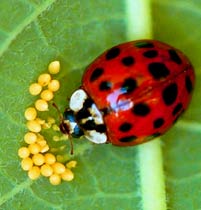
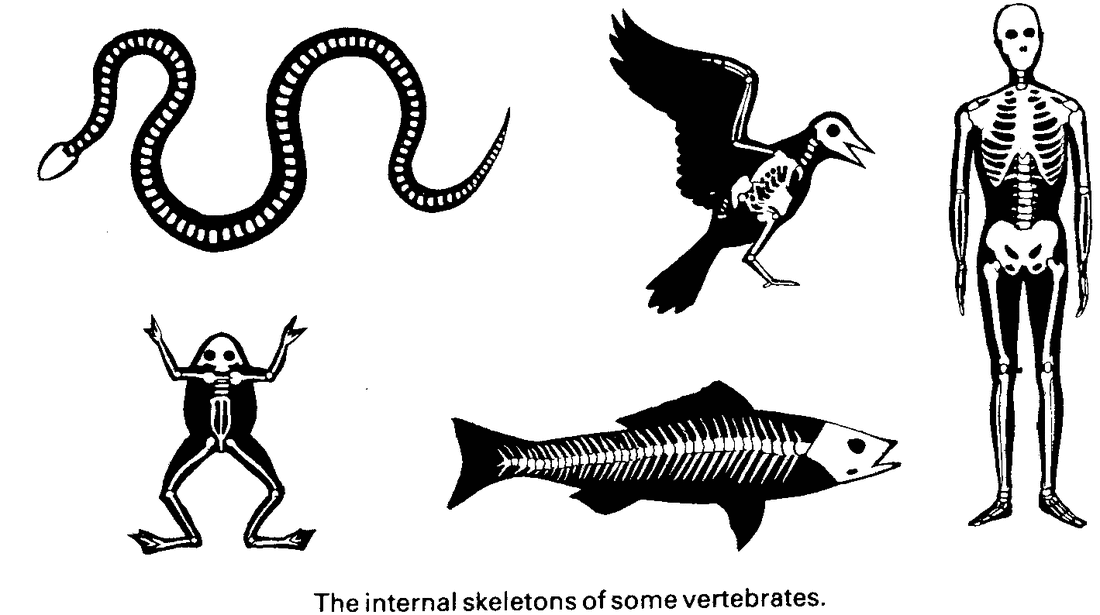
Existen dos grandes grupos. Los vertebrados, que tienen un esqueleto con columna vertebral, como un ratón, un pájaro, un pez o un elefante. Y los invertebrados, no tienen columna vertebral ni esqueleto interno. Por ejemplo, una mosca, una mariquita, un caracol o un gusano. 

¿Tiene huesos la vaca? ¿Y el pulpo?  


VERTEBRATES.

Mammals and birds are vertebrates. They have bones inside their bodies. 


*

WHAT DO ANIMALS EAT?

Herbivores eat plants.
Carnivores eat meat.
Omnivores eat meat and plants.

*


HOW DO ANIMALS REPRODUCE?

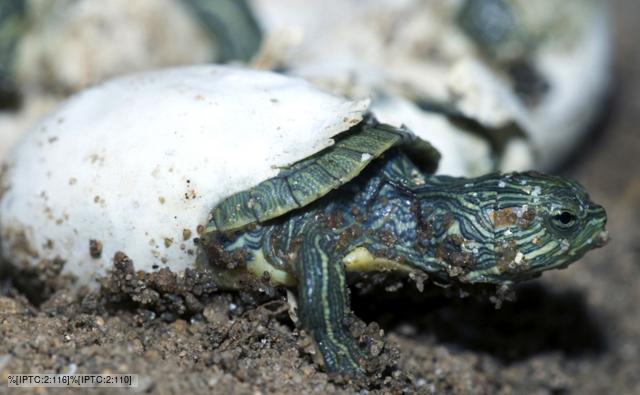
Some animals lay eggs. They are oviparous. 


Other animals give birth to live babies, not eggs. They are viviparous


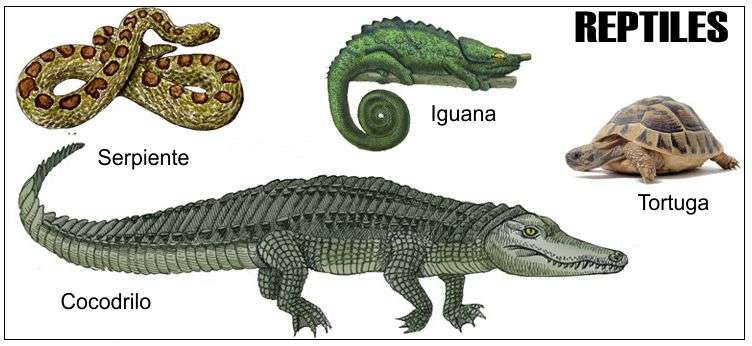
There are five main grous of vertebrates: mammals, birds, reptiles, amphibians and fish.
1. MAMMALS.

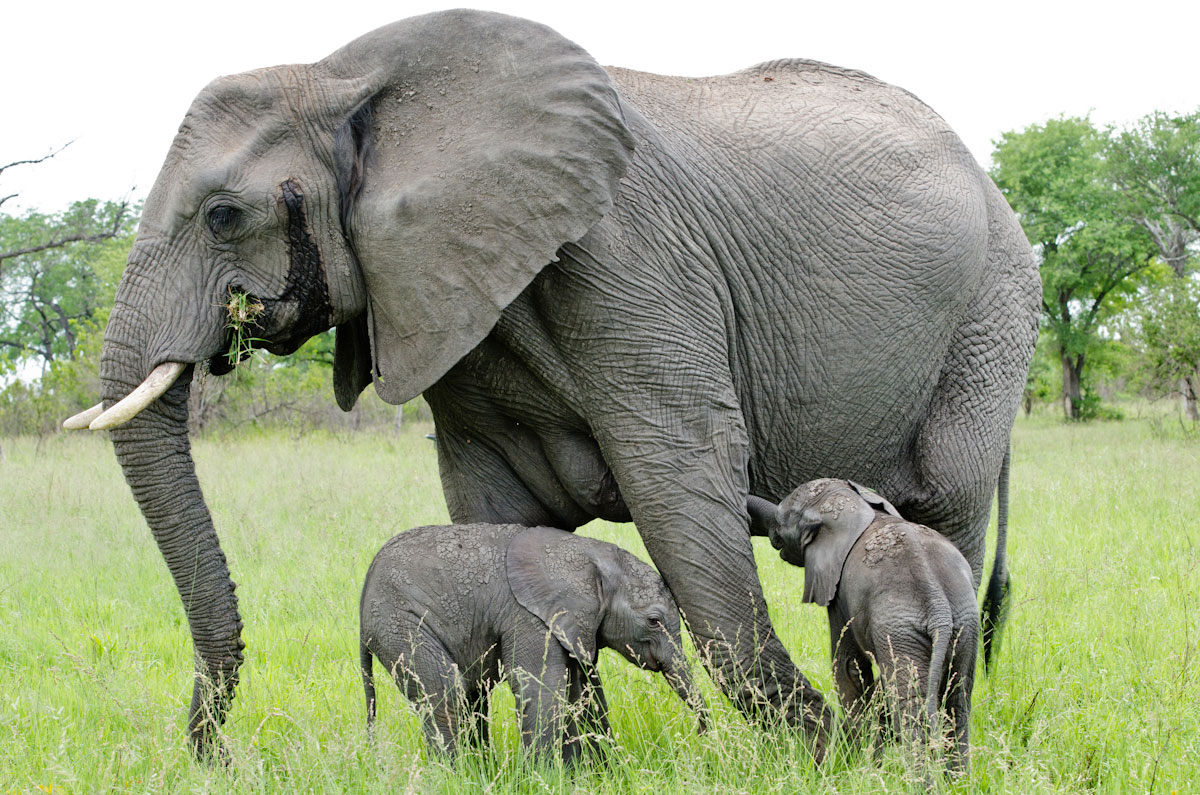
Mammals drink their mother´s milk.


2. BIRDS. 


REPTILES AND AMPHIBIANS.


*

3. REPTILES.


4. AMPHIBIANS.

5. FISH.


THE ANIMAL KINGDOM: INVERTEBRATES (II)

Science. Year 2. 

INVERTEBRADOS.

En esta segunda parte del reino animal conoceremos el mundo de los invertebrados. Estos animales no tienen un esqueleto interno. Por eso tienen cuerpos blanditos, como la babosa, el pulpo o las medusas.


*
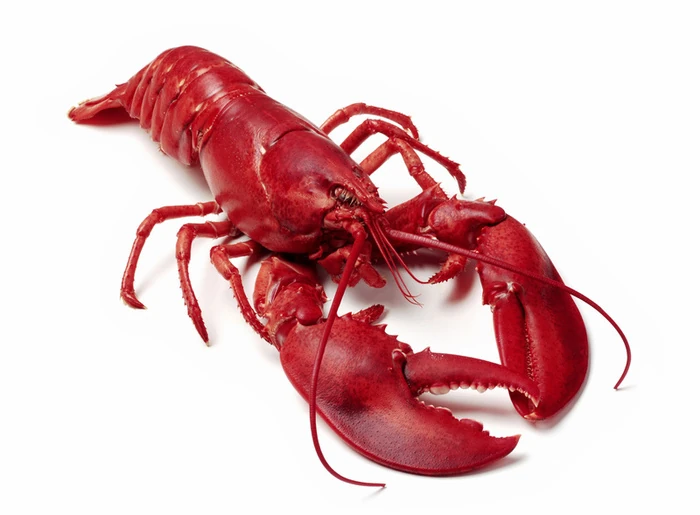
Sin embargo, muchos invertebrados tienen un exoesqueleto o esqueleto externo que los protege. Puede ser una piel dura, una concha o un caparazón. Como los insectos, los caracoles, los cangrejos, etc.


ARTRÓPODOS. (cuerpo articulado)


*

How many legs has an insect got?
Are spiders insects?


MOLUSCOS. (cuerpo blando)


martes, 15 de diciembre de 2015

DESCRIBING ANIMALS

Science. Year 2. 

Wild animals. 


Has it got a tail?
Yes, it has.

Has it got big teeth?
Yes, it has.

Has it got hair?
No, it hasn´t.

It´s  a crocodile / lion


Has it got hair?
No, it hasn´t.

Has it got any legs?
No, it hasn´t.

It´s a monkey / snake. 


Can it fly?
No, it can´t.

Can it swim?
Yes, it can

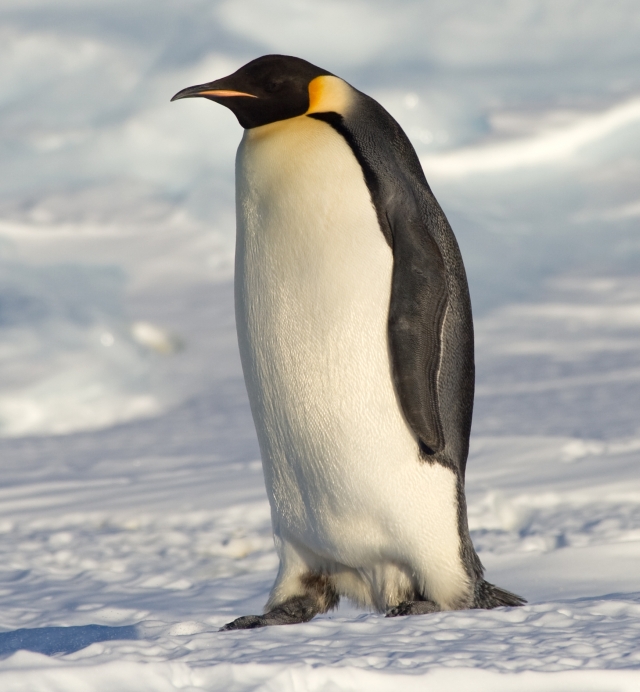
Has it got big ears?
No, it hasn´t.

Has it got wings?
Yes, it has.

It´s a penguin / an elephant.  


Has it got a tail?
Yes, it has.

Has it got four legs?
Yes, it has.

Has it got a long neck?
Yes, it has.

It´s a lizard / giraffe. 


Has it got a tail?
Yes, it has.

Has it got small ears?
Yes, it has.

Has it got hair?
No, it hasn´t.

It´s a hippo / tiger. 

How to describe an animal


lunes, 16 de noviembre de 2015

HOW MY BODY MOVES.

How my body moves. Year 2. 

¿Cómo se mueven las personas?

A diferencia de las plantas, por ejemplo, las personas somos capaces de movernos de mil maneras diferentes. Podemos mover los brazos y manos para coger cosas, las piernas para desplazarnos, saltar, correr, bailar... 

El esqueleto protege nuestros órganos vitales y forma el armazón del cuerpo. Los músculos hacen posible el movimiento de los huesos gracias a las articulaciones. Juntos permiten que te muevas, juegues a la peonza, saltes a la comba o montes en bicicleta. Veamos las partes del cuerpo, y cómo funciona por dentro.   


The toe bone's connected to the foot bone. 
The foot bone's connected to the ankle bone. 
The ankle bone's connected to the shin bone. 
The shin bone's connected to the knee bone. 
The knee bone's connected to the thigh bone. 
The thigh bone's connected to the hip bone. 
The hip bone's connected to the back bone. 
The back bone's connected to the chest bones....


miércoles, 4 de noviembre de 2015

DATES AND WEATHER

ENGLISH YEAR 2. 

What day is today?

Today is Wednesday

What is the date today?

Today is the 25th of November, 2015.


The days of the week, 


Ordinal numbers. 


The months of the year. 


What season is it just now?

It is autumn. 


Tiempo de repasar. ¿Qué has aprendido?
Days, months and seasons. 


The weather. 


Y de regalo....

The Gruffalo.

martes, 13 de octubre de 2015

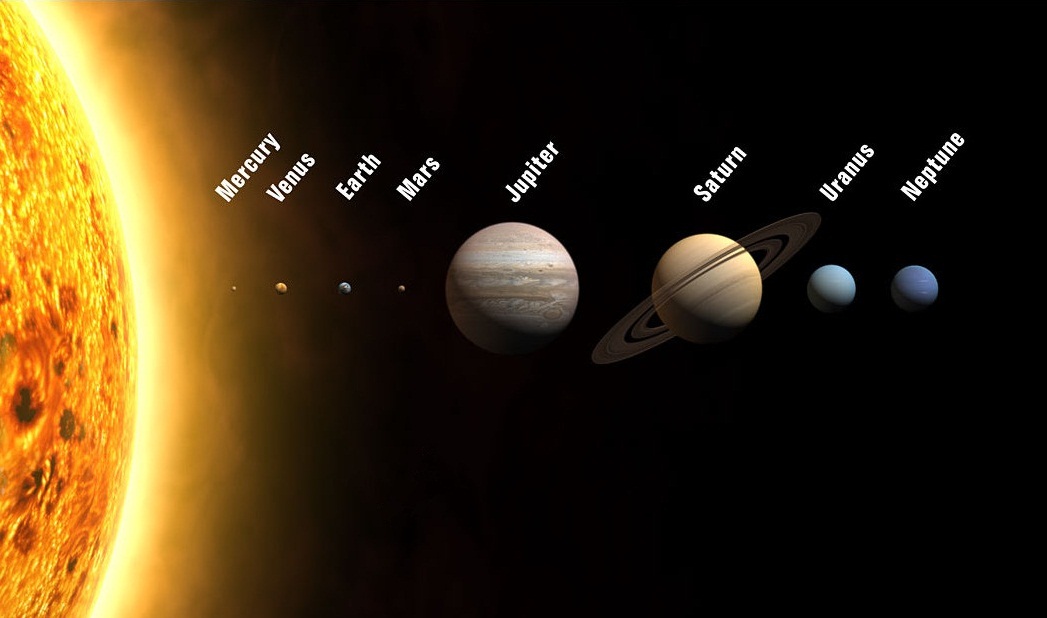
THE SOLAR SYSTEM

Year 2. Science

¿Alguna vez has visto cómo es el Sol de cerca?


¿Y la Luna?


¿Por qué brilla la Luna?


¿Cuántas estrellas brillan en el universo?


¿Por qué hay día y noche?


The Solar System.


1. Why is the Sun important for us?
a) Because it gives us heat and light.
b) Because it gives us air.
c) Because it is a big star.

2. Complete the sentences with these words: 
a star, a satellite, a planet.
a) The Moon is a....
b) The Sun is a...
c) The Earth is a...

3. Which of these sentences is true?
a) The Sun goes around the Earth
b) The planets go around the Sun
c) The Moon goes around Jupiter.

4. Why do we have night and day?
a) Because the Moon goes around the Earth.
b) Because the planets go around the Sun.
c) Because the Earth turns around.

5. How long does it take for the Earth to turn around once?
a) It takes one day
b) It takes a week.
c) It takes a month.

6. Why do we have seasons?
a) Because the Sun is hot.
b) Because the Earth is tilted.
c) Because the Earth is straight.

7. How long does it take for the Earth to go all the way around the Sun?
a) It takes one day
b) It takes one week.
c) It takes one year.

---------------------------
Answer key:

1. a) Because it gives us heat and light.

2.
a) The Moon is a satellite
b) The Sun is a star
c) The Earth is a planet.

3. b) The planets go around the Sun

4. c) Because the Earth turns around.

5. a) It takes one day

6. b) Because the Earth is tilted.

7. c) It takes one year.

More videos: 


THE FIVE SENSES

SCIENCE. Year 2. 

Explora los 5 sentidos con este cuento: 


The five senses


Can you identify these sounds?


The senses + the body. 


I see, see, with my eyes

I hear, hear, with my ears

I smell, smell, with my nose

'Cause that's how the body goes

I eat, eat, with my mouth 

I chew, chew, with my teeth

I taste, taste, with my tongue 

And that's just a lot of fun.


domingo, 27 de septiembre de 2015

ALPHABET, NUMBERS AND SPORTS.

ENGLISH. Year 2. 

Hay muchas maneras de cantar el abecedario. ¿Cuál es tu favorita?


Now put the letters in the correct order.


Let´s count!

1-10

20-30

30-40


40-50

Now count to 100!


Now click on the number you hear. (1-10)


This one is for advanced players.

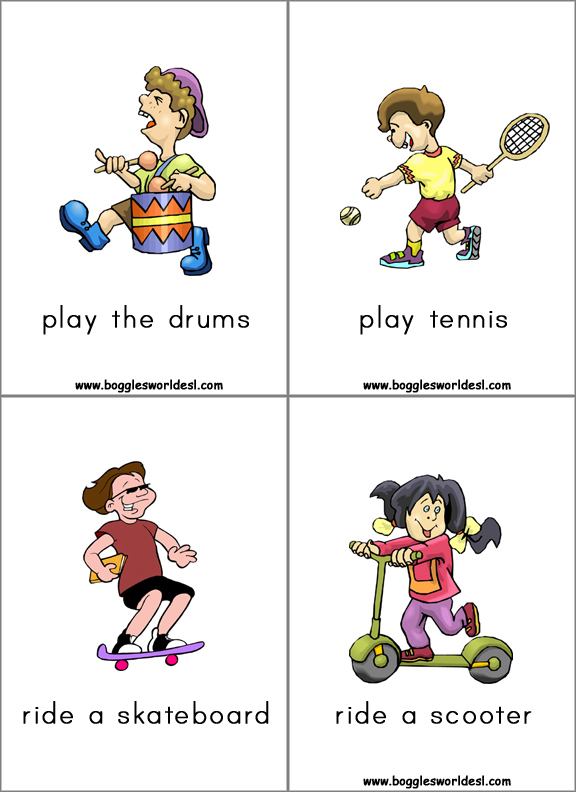
Do you play any sports?


I love sports!


Actions. 


domingo, 14 de junio de 2015

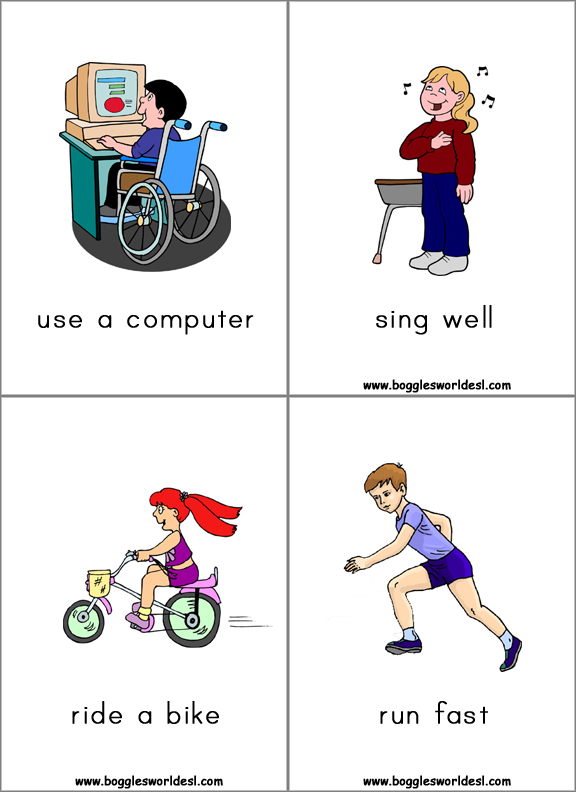
CAN YOU...?

English. Year 1. 

Can you...?

Yes, I can. 
No, I can´t. 


Y aquí tenéis algunos extras: 

How old are you?

Super simple songs. 


Series infantiles de televisión en inglés: 

Enjoy your holidays!