jueves, 7 de enero de 2016

THE NATURE TRAIL

ENGLISH. Year 2.

A todos nos gusta pasear por la naturaleza y viajar. En esta ocasión vamos a recorrer bosques frondosos donde fluyen los ríos creando paisajes hermosos.

¿Cuáles son tus actividades favoritas en la naturaleza? ¿Pasear en bicicleta, correr, escalar árboles?


.
.
A forest.


.


.
A tree.


.
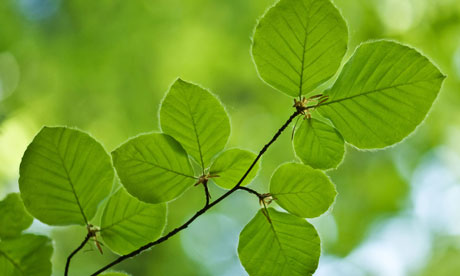
Some leaves.


.
A river.


A hill
A bridge


A waterfall


.
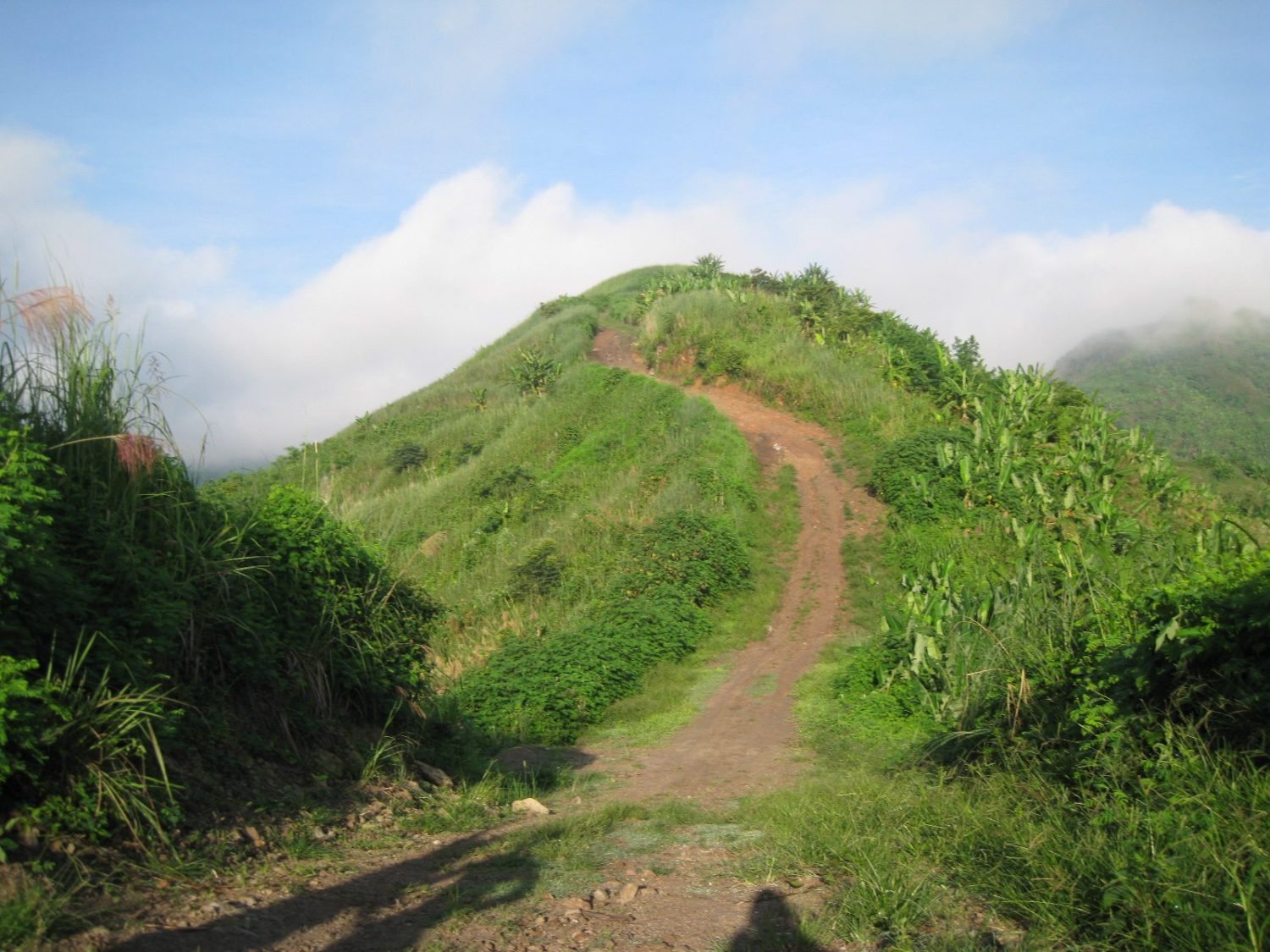
A path


.
Some grass


A lake


Some sand

A road


.
- Are you walking in the forest?

 - Yes, I am. / No I´m not.

Are you climbing up the hill?   

Are you running in the long grass?

Are you swimming in the river?            

 Are you jumping in the leaves?           

Are you swimming across the lake?

Are you walking along the path?

Are you running across the bridge?

-         - Is he riding a bike along the road?

- Yes, he is. / No, he isn´t.

Is she playing in the sand?  

Yes, she is.

miércoles, 6 de enero de 2016

THE ANIMAL KINGDOM: VERTEBRATES (I)


Science. Year 2. 


Bienvenidos al maravilloso mundo del reino animal. Aquí tendremos oportunidad de conocer decenas de animales y sus características, qué comen, cómo respiran, cómo se reproducen. ¿Qué animal te gustaría conocer a fondo?

Antes de empezar, es importante recordar la diferencia entre los seres vivos y seres inertes. 

Los seres vivos nacen, crecen, se reproducen y mueren. Por ejemplo un ratón, una paloma, un árbol o una persona.

Los seres inertes son cosas u objetos sin vida. No sienten nada, no respiran.  Como una hoja de papel, una piedra o una mesa.

Living things and non-living things.


Estos son algunos ejemplos del ciclo de la vida en diferentes seres vivos. 


CLASIFICACIÓN DE LOS ANIMALES.

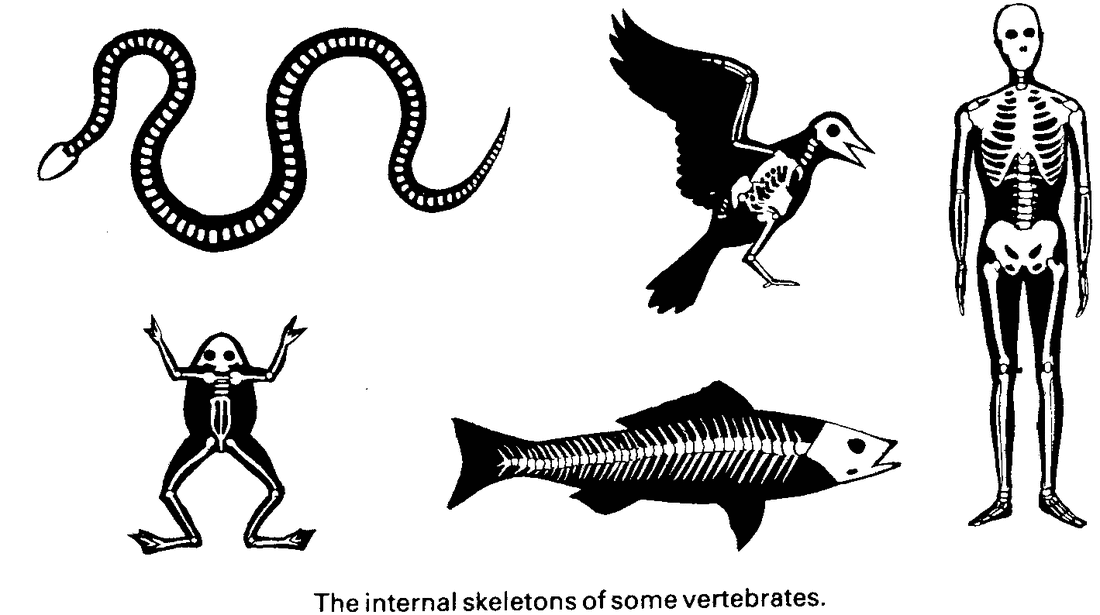
Existen dos grandes grupos. Los vertebrados, que tienen un esqueleto con columna vertebral, como un ratón, un pájaro, un pez o un elefante. Y los invertebrados, no tienen columna vertebral ni esqueleto interno. Por ejemplo, una mosca, una mariquita, un caracol o un gusano. 

¿Tiene huesos la vaca? ¿Y el pulpo?  


VERTEBRATES.

Mammals and birds are vertebrates. They have bones inside their bodies. 


*

WHAT DO ANIMALS EAT?

Herbivores eat plants.
Carnivores eat meat.
Omnivores eat meat and plants.

*


HOW DO ANIMALS REPRODUCE?

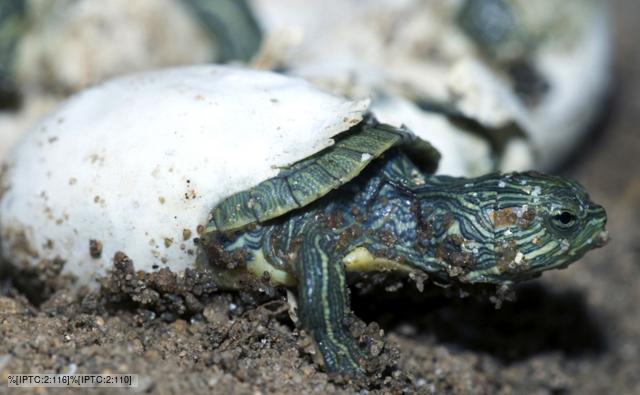
Some animals lay eggs. They are oviparous. 


Other animals give birth to live babies, not eggs. They are viviparous


There are five main grous of vertebrates: mammals, birds, reptiles, amphibians and fish.

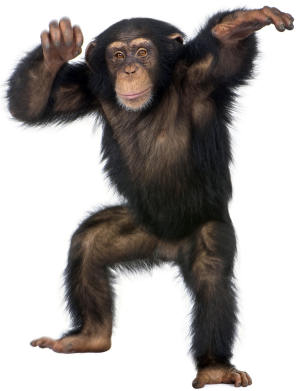
1. MAMMALS.

Mammals drink their mother´s milk.


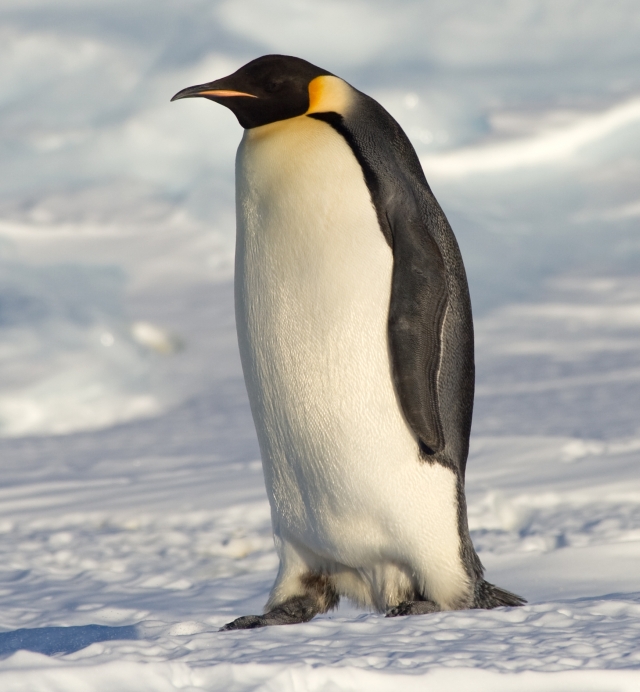
2. BIRDS. 


REPTILES AND AMPHIBIANS.


*

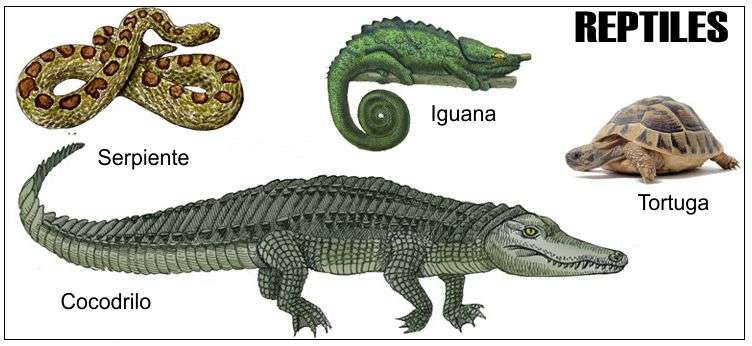
3. REPTILES.


4. AMPHIBIANS.

5. FISH.


THE ANIMAL KINGDOM: INVERTEBRATES (II)

Science. Year 2. 

INVERTEBRADOS.

En esta segunda parte del reino animal conoceremos el mundo de los invertebrados. Estos animales no tienen un esqueleto interno. Por eso tienen cuerpos blanditos, como la babosa, el pulpo o las medusas.


*
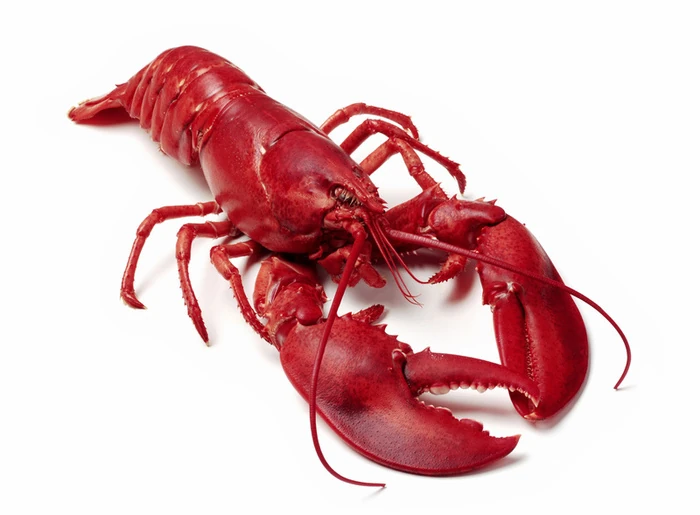
Sin embargo, muchos invertebrados tienen un exoesqueleto o esqueleto externo que los protege. Puede ser una piel dura, una concha o un caparazón. Como los insectos, los caracoles, los cangrejos, etc.


ARTRÓPODOS. (cuerpo articulado)


*

How many legs has an insect got?
Are spiders insects?


MOLUSCOS. (cuerpo blando)


martes, 15 de diciembre de 2015

DESCRIBING ANIMALS

Science. Year 2. 

Wild animals. 


Has it got a tail?
Yes, it has.

Has it got big teeth?
Yes, it has.

Has it got hair?
No, it hasn´t.

It´s  a crocodile / lion


Has it got hair?
No, it hasn´t.

Has it got any legs?
No, it hasn´t.

It´s a monkey / snake. 


Can it fly?
No, it can´t.

Can it swim?
Yes, it can

Has it got big ears?
No, it hasn´t.

Has it got wings?
Yes, it has.

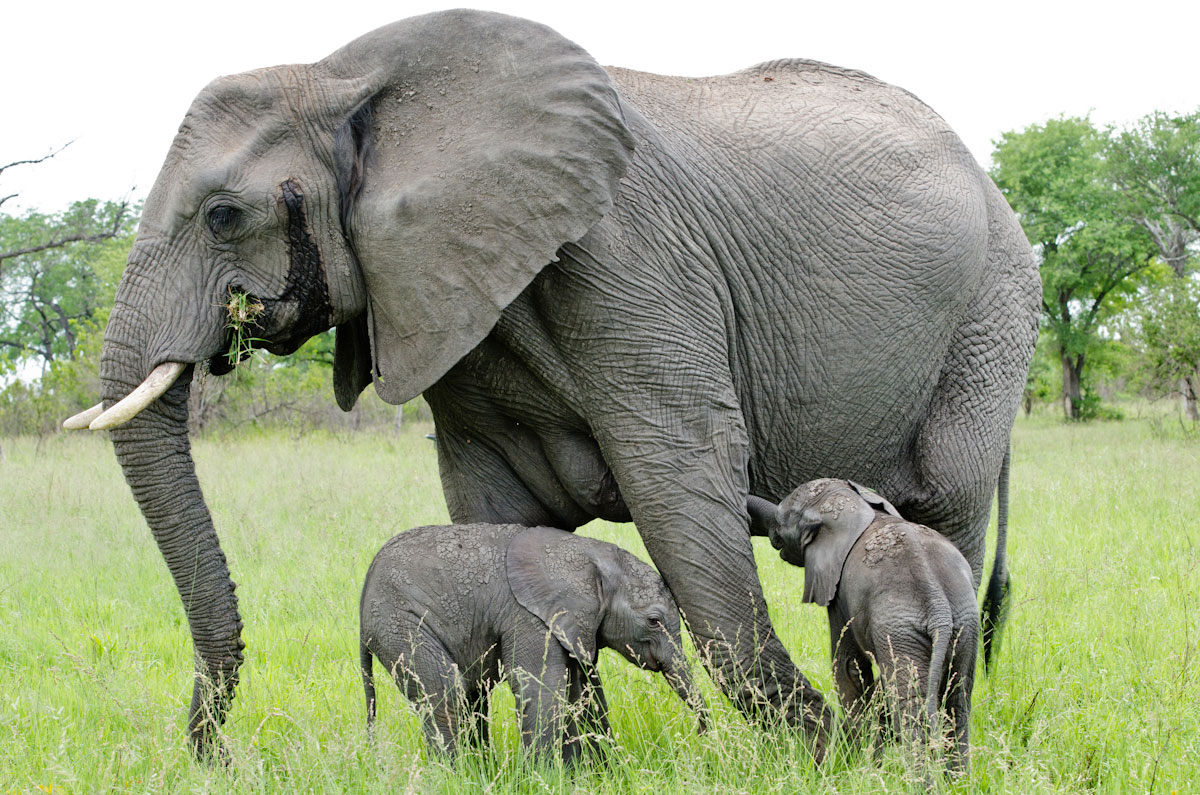
It´s a penguin / an elephant.  


Has it got a tail?
Yes, it has.

Has it got four legs?
Yes, it has.

Has it got a long neck?
Yes, it has.

It´s a lizard / giraffe. 


Has it got a tail?
Yes, it has.

Has it got small ears?
Yes, it has.

Has it got hair?
No, it hasn´t.

It´s a hippo / tiger. 

How to describe an animal