Mostrando entradas con la etiqueta science. Mostrar todas las entradas

miércoles, 4 de octubre de 2017

SPORTS AND HUMAN BODY

Year 2. 

Estimadas familias, a continuación tenéis las fichas con las que estamos trabajan do en clase. Estas fichas están en la carpeta de fundas de vuestros hijos.

Para una correcta visualización debéis descargar las fuentes Escolar 1 y Escolar 2 (letra cursiva) en vuestro ordenador haciendo clic aquí.

* Numbers 1-21
* Alphabet
* Sports
* How my body moves


 Para aprovechar todas las características de este Powerpoint, descárgaterlo haciendo clic en la esquina inferior derecha donde dice "in".

sábado, 30 de enero de 2016

ANIMAL CLASSIFICATION.

SCIENCE YEAR 2.

Comprueba tus conocimientos sobre la clasificación del reino animal a través de las siguientes preguntas. 

¿Son vertebrados o invertebrados? ¿Cómo se reproducen? ¿Son vivíparos u ovíparos? ¿ Tienen pelo, plumas, escamas, piel suave y húmeda? ¿Cómo respiran? ¿Dónde viven? ¿Qué comen?

Comencemos por recordar la diferencia entre los seres vivos de los inertes.


martes, 10 de marzo de 2015

DAYS, MONTHS AND SEASONS.

Science Year 1. 

¿Sabrías explicar por qué tenemos el día y la noche?


La rotación de la Tierra hace que tengamos el día y la noche. 

Un simpático pingüino que se presenta en francés nos muestra los días, los meses y las estaciones. 


Months of the year.

Seasons.

Sing along!

domingo, 8 de marzo de 2015

NOCTURNAL ANIMALS

YEAR 1. Science. 

La Tierra gira constantemente, y eso hace que tengamos unas horas de luz y otras horas de oscuridad. Algunos animales aprovechan la noche para salir a buscar comida. Conozcamos algunos de ellos.  

Bats.
Su sentido del oído les permite volar con precisión en plena oscuridad. 


Barn Owl
Esta lechuza dispone de ojos grandes para ver mejor por la noche, aunque también puede ser vista al amanecer o al finalizar el día. Sus alas no hacen ruido al volar, lo que les permite cazar sin ser escuchadas. 


Hedgehogs.
Otro animal de hábitos nocturnos. ¿Te han preguntado alguna vez por qué tiene el erizo esas púas?


Racoons.
Los mapaches también viven en las ciudades. Salen a buscar comida por la noche, y son muy hábiles para encontrar alimento en cualquier lugar.


¿Conoces algún otro animal nocturno?

viernes, 20 de febrero de 2015

Comparatives, weather, climates and Crystal

Hey year 4, here's something for you to practice comparatives:


SCIENCE:


And now something to enjoy the seventh art: THE DARL CRYSTAL, a classic


bye bye

The Team

jueves, 29 de enero de 2015

Welcome to our planet YEAR 4

Hi, Our Planet is the title of the new unit in Science.


These are the planets:

This is the Sun:

This is our PLANET:

and... this is the naturale satellite to planet Earth: THE MOON


Speaking of the Moon, these are the phases:

Here are some games about the famous "cheesy" satellite:


Enjoy them!

The Team

viernes, 16 de enero de 2015

4º : Trinity Info, Science and English activiies and some fun

This is all the information about the Trinity Exams we will have in late May.

TRINITY EXAM PRESENTATION 
https://prezi.com/ubfplepge9sa/trinity-exams/


SEE SOME SAMPLE VIDEOS

HERE

SCIENCE


ENGLISH


FUN TIME


Bye bye!

The Team

jueves, 8 de enero de 2015

DOMESTIC ANIMALS

Science Year 1. 

Let´s meet some domestic animals. This is a farm. 


And these are some of the animals living on a farm. 


Meet the animals living on a farm. 


Sing along.


What animals can you identify?


Aren´t they cute?


All about sheep. We use wool to make clothes. 


Let´s review. How many animals do you know?


Now, draw you own farm. 


Great job!

viernes, 12 de diciembre de 2014

PLANTS

SCIENCE YEAR 4 NEW UNIT

PLANTS


<iframe width="480" height="360" src="//www.youtube.com/embed/j4AkT5WDSXg" frameborder="0" allowfullscreen></iframe>

<iframe width="560" height="315" src="//www.youtube.com/embed/xO8hrqDuMmY" frameborder="0" allowfullscreen></iframe>


jueves, 9 de octubre de 2014

lunes, 9 de junio de 2014

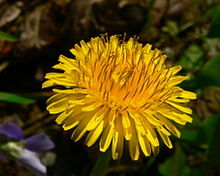
Reproduction of dandelion.

SCIENCE YEAR 2.

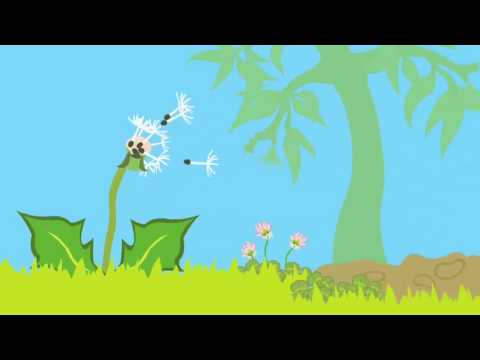
The dandelion flower is pollinated. Then, it produces seeds that fly away.


The dandelion life cycle

1.           The seed needs air, water and soil.
2.           The roots start growing.
3.           The flowers bloom.
4.           The bees pollinate the flowers.
5.           New seeds grow.
6.           The wind blows the seeds away.
7.           The seeds land and more flowers grow.


sábado, 31 de mayo de 2014

TREES, BUSHES AND GRASS.

SCIENCE. YEAR 2. 

Plants are living things.

They provide us with food, materials, wood and oxygen.

There are many different plants all around us:

Trees have a thick, hard stem called trunk. Trees have branches and twigs. 


Bushes have a lot of stems. 


Grass is thin and bendy. 


Learn about plants.


Enjoy nature!

martes, 27 de mayo de 2014

POLLINATION

SCIENCE YEAR 2. 

This is an easy way to understand how plants get pollinated by bees. 


These are real bees transfering the polen from one flower to another.


Flower reproduction.


 From flower to fruit.


Enjoy these wonderful images!


Learn and have fun!

martes, 29 de abril de 2014

Transport Activities

Hello and kisses from 3A!

ALEJANDRO, QUIQUE, IZAN, ALVARO, IGNACIO, VALERIA, NATALIA, RODRIGO D, HECTOR, LEONOR, FERNANDO, TERESA, SONIA, DAVID, EDUARDO, CLAUDIA, ALESSANDRA, IVAN, FABIO, AITOR AND RODRIGO B.

See you soon ;) 

martes, 11 de marzo de 2014

THE SUN

SCIENCE.    Year 2.


1. Why is the Sun important for us?
a) Because it gives us heat and light.
b) Because it gives us air.
c) Because it is a big star.

2. Complete the sentences with these words: 
a star, a satellite, a planet.
a) The Moon is a....
b) The Sun is a...
c) The Earth is a...

3. Which of these sentences is true?
a) The Sun goes around the Earth
b) The planets go around the Sun
c) The Moon goes around Jupiter.

4. Why do we have night and day?
a) Because the Moon goes around the Earth.
b) Because the planets go around the Sun.
c) Because the Earth turns around.

5. How long does it take for the Earth to turn around once?
a) It takes one day
b) It takes a week.
c) It takes a month.

6. Why do we have seasons?
a) Because the Sun is hot.
b) Because the Earth is tilted.
c) Because the Earth is straight.

7. How long does it take for the Earth to go all the way around the Sun?
a) It takes one day
b) It takes one week.
c) It takes one year.

---------------------------
Answer key:

1. a) Because it gives us heat and light.

2.
a) The Moon is a satellite
b) The Sun is a star
c) The Earth is a planet.

3. b) The planets go around the Sun

4. c) Because the Earth turns around.

5. a) It takes one day

6. b) Because the Earth is tilted.

7. c) It takes one year.

More videos: 


martes, 7 de enero de 2014

ANIMAL CLASSIFICATION (PART 2)


SCIENCE. YEAR 2.

What do you know about fish, reptiles, amphibians and insects?


1. Where do fish live?
- They live on land.
- They live in the water.
- Some fish live on land and some others live in the water.

2. How do fish breath?
- They breathe will their lungs.
- They breathe with their gills.
- Some fish breathe with their lungs and some others with their gills.

3. Are insects vertebrates or invertebrates?
- They are vertebrates
- They are invertebrates
- Some insects are vertebrates and some others are invertebrates.

4. How many legs do insects have?
- They´ve got 4 legs
- They´ve got 6 legs
- They´ve got 8 legs

5. How many body parts do insects have?
- They´ve got 2 body parts
- They´ve got 3 body parts
- They´ve got 4 body parts

6. Amphibians have got a smooth skin. They don´t have any scales. 
   Which of these animals are amphibians?
- Starfish and crabs are amphibians.
- Snakes and turtles are amphibians.
- Frogs and salamanders are amphibians.

7. Where do amphibians live?
- They live in the water.
- They live on land.
- Amphibians live on land and in the water.

8. Reptiles have got scales. Which of these animals are reptiles?
- Starfish and crabs are reptiles
- Snakes and turtles are reptiles.
- Frogs and salamanders are reptiles.

9. Are reptiles vertebrates?
- Yes, they are.
- No, they aren´t.
- Some reptiles are vertebrates, and some others aren´t.

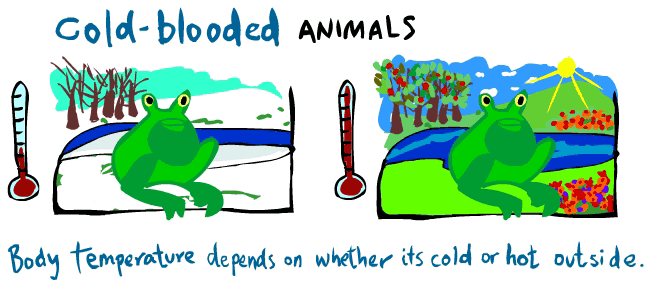
10. Reptiles, amphibians, fish and insects are cold-blooded. What does it mean?
- Their body temperature is always warm.
- Their body temperature is always cold.  
- Their body temperature depends on the temperature outside.

11. Which of these animals have scales?
- Fish and snakes have scales.
- Ladybugs and butterflies have scales.
- Frogs and salamanders have scales.
------------------------------------------------------

Answer keys:

1. Where do fish live?
- They live in the water.

2. How do fish breath?
- They breathe with their gills.


3. Are insects vertebrates or invertebrates?
- They are invertebrates

4. How many legs do insects have?
- They´ve got 6 legs


5. How many body parts do insects have?
- They´ve got 3 body parts


6. Amphibians have got a smooth skin. They don´t have any scales. 
   Which of these animals are amphibians?
- Frogs and salamanders are amphibians.


7. Where do amphibians live?
- Amphibians live on land and in the water.

8. Reptiles have got scales. Which of these animals are reptiles?
- Snakes and turtles are reptiles.


9. Are reptiles vertebrates?
- Yes, they are.


10. Reptiles, amphibians, fish and insects are cold-blooded. What does it mean?
- Their body temperature depends on the temperature outside.


11. Which of these animals have scales?
- Fish and snakes have got scales.


domingo, 8 de diciembre de 2013

ANIMAL CLASSIFICATION.

SCIENCE YEAR 2. 

Learn about animal classification. Watch the following 9 videos!

VERTEBRATES.

Mammals and birds are vertebrates. They have bones inside their bodies. 


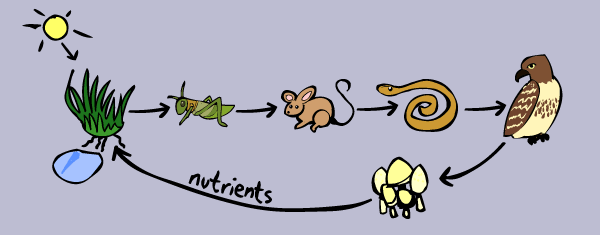
 WHAT DO ANIMALS EAT?

Herbivores eat plants.
Carnivores eat meat.
Omnivores eat meat and plants.

*


MAMMALS.

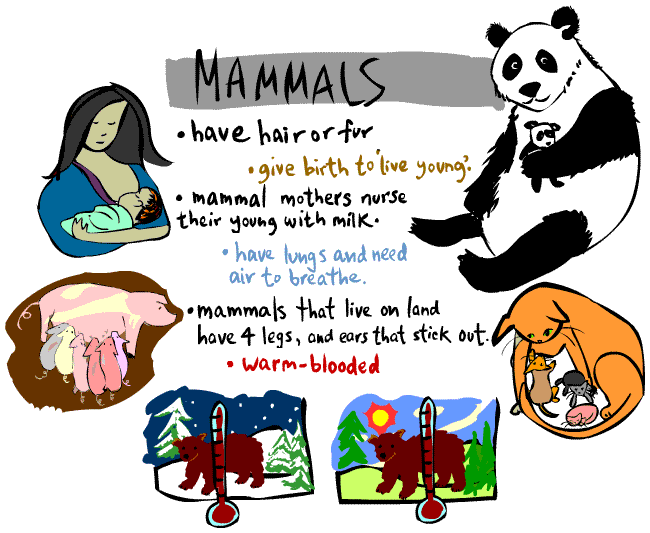
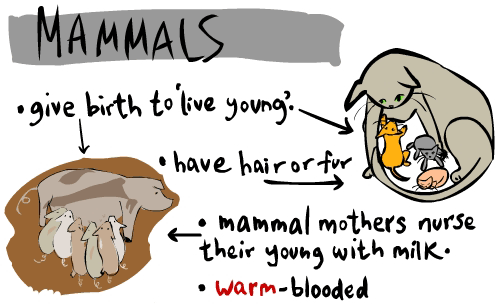
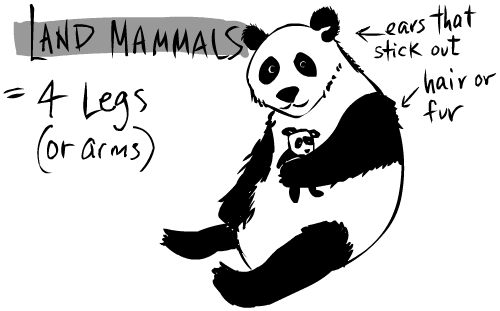
Mammals have hair or fur and drink their mother´s milk.
Most mammals have four legs.
Mammals breathe with their lungs.
Mammals have bones inside their bodies. They are vertebrates.


BIRDS. 

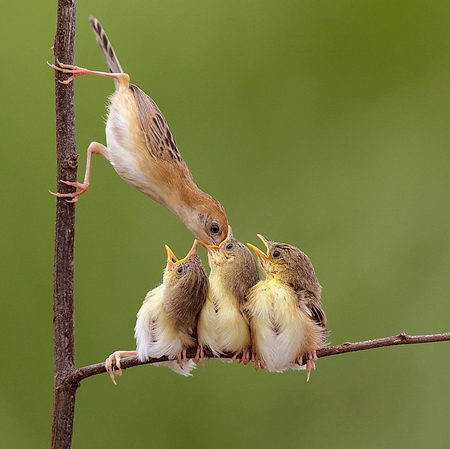
Birds have two legs, two wings and a beak.
Birds have feathers.
Most birds can fly.
Birds are vertebrates.
Birds lay eggs.